

Let me tell you what I did wrong the first week. I read the serving size on the Doctor's Best Magnesium Glycinate bottle, saw that two tablets equaled 200mg of elemental magnesium, and figured I would just take all two at once before bed. By morning I was fine, but my stomach was not thrilled. Nobody on the Amazon listing mentioned that. The 75,000 reviews mostly focus on how well people slept. What they do not cover so well are the quirks you will run into when you first open the bottle, and I want to be honest about those.
I am Minia. I am 68 years old, retired, and I babysit my two grandsons three days a week. Keeping up with a six-year-old and a nine-year-old requires that I actually sleep. For about two years, I was waking up somewhere between 2am and 3am and lying there for an hour or more before drifting off again. I had tried melatonin, which knocked me out but left me groggy in the morning. I had tried chamomile tea, magnesium spray on my skin, and an embarrassing number of sleep podcasts. Magnesium glycinate kept coming up in the conversations I was reading. Doctor's Best was the brand most people pointed to, so I bought a bottle.
The Quick Verdict
Genuinely useful for sleep, but the tablet size is bigger than expected, the GI adjustment is real if you start at full dose, and the label uses terminology that confused me for weeks. Worth it once you get past the learning curve.
Amazon Check Today's Price →If you wake up in the middle of the night and cannot get back to sleep, this is the supplement I reach for now.
Doctor's Best High Absorption Magnesium Glycinate has more than 75,000 Amazon reviews and is the one I have used consistently for six months. Check the current price before it changes.
Amazon Check Today's Price on Amazon →What Nobody Tells You About the Pills Themselves
The first thing I noticed when I opened the bottle was the size of the tablets. They are not capsules. They are solid white oval tablets, and they are substantial. The kind that makes you think for a second before you swallow. I measured one against a quarter, and it is roughly the same length. If you have any trouble swallowing pills, I would look into a different form of magnesium, or ask your pharmacist about cutting them, because these are not small.
The bottle says two tablets per serving, which gives you 200mg of elemental magnesium. That is actually a reasonable daily amount for supporting sleep. But when I first took both tablets at once, my digestive system was not impressed. Not a dramatic reaction, just a low-grade unsettled feeling the next morning. I had not started low. Lesson learned. When I went back to one tablet the next night and built up slowly over two weeks, that problem went away entirely. The stomach adjustment is real, but it is avoidable if you start at half the serving size.
The tablets are the size of a quarter. That is the first thing I wish someone had told me. The second thing is to start with one, not two.

The Label Confusion That Kept Me Googling for a Week
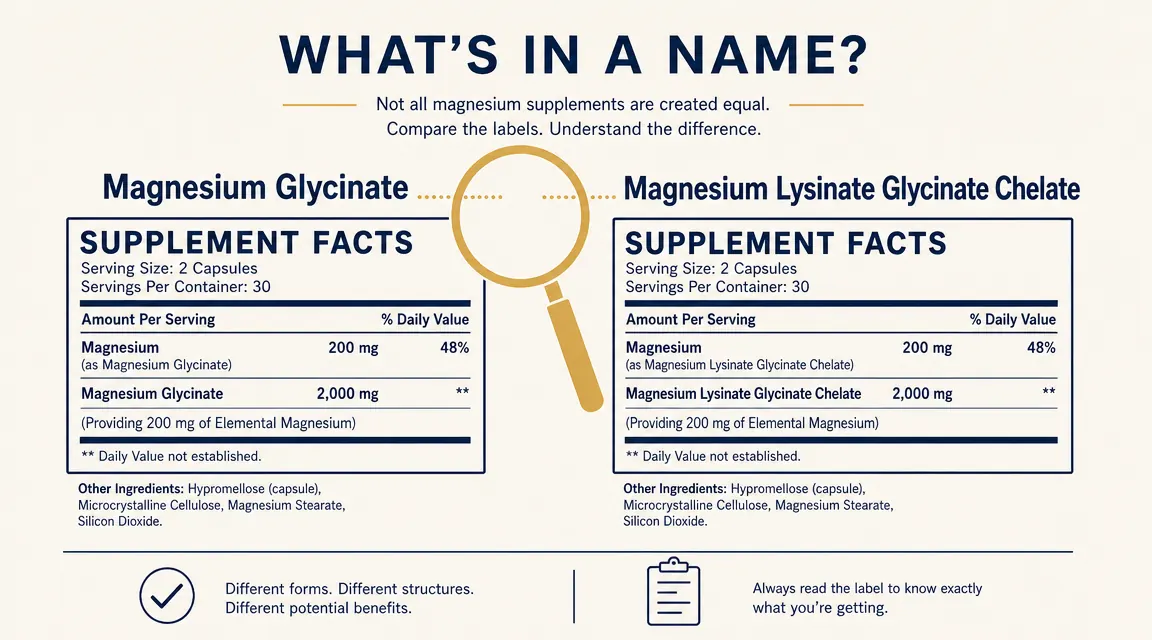
Here is something that genuinely confused me. The product is called Magnesium Glycinate. But when you flip the bottle over and look at the ingredient list, it says the source is magnesium lysinate glycinate chelate. Those are not the same words. I spent more time than I would like to admit trying to figure out if I had bought the wrong thing.
What it actually means: glycinate and lysinate are both amino acid chelates, meaning the magnesium is bonded to amino acids to help your body absorb it more readily than cheaper oxide or citrate forms. The lysinate chelate is an additional amino acid bond in the TRAACS patented form that Doctor's Best uses. The marketing name is magnesium glycinate because that is the form most people search for. The technical name on the label is more specific than that. Both descriptions refer to the same highly absorbable form of magnesium. Once I understood that, I stopped worrying. But it took me longer than it should have, and I think more labels should explain this in plain language.
You may also see different brands use the terms magnesium bisglycinate, magnesium glycinate, and magnesium chelate interchangeably. They are all describing chelated forms with better bioavailability than oxide. Doctor's Best specifically uses the TRAACS chelated form, which is well-regarded and the reason many practitioners point to this brand specifically. That part is legitimately good.
What the GI Adjustment Actually Looks Like
Magnesium glycinate has a reputation as the gentlest form of magnesium because it does not have the laxative effect that magnesium citrate or magnesium oxide can cause. That reputation is mostly earned. Glycinate is absorbed in the small intestine rather than drawing water into the colon the way oxide does. But that does not mean your system will not notice the change, especially if you are not used to magnesium supplementation at all.
My first week at full dose, I felt slightly nauseous the morning after taking two tablets. It was not severe, just noticeable. When I dropped to one tablet for two weeks and then moved back to two tablets slowly, the adjustment was smooth. I have talked with a few friends who tried magnesium glycinate and quit because of stomach upset, and every one of them had started at the full dose immediately. Starting low and building up is not just a precaution. For some people it makes the difference between tolerating the supplement and abandoning it.
The other thing worth knowing: taking magnesium on a completely empty stomach is more likely to cause nausea. I take mine about an hour before bed, usually after a small snack. That combination, a small amount of food, one tablet at first, then two after the first couple of weeks, has been completely comfortable for me.
The Timing Mistake I Made and What Actually Works Better
I assumed that because this was a sleep supplement, I should take it right as I was climbing into bed. So I took it at 10pm when I got under the covers, and then lay there wondering if it was working. Magnesium does not act like a sedative. It does not give you a drowsy feeling the way antihistamines do. What it does is support the nervous system and help your body regulate the hormones and neurotransmitters involved in sleep. That process does not have an on/off switch.
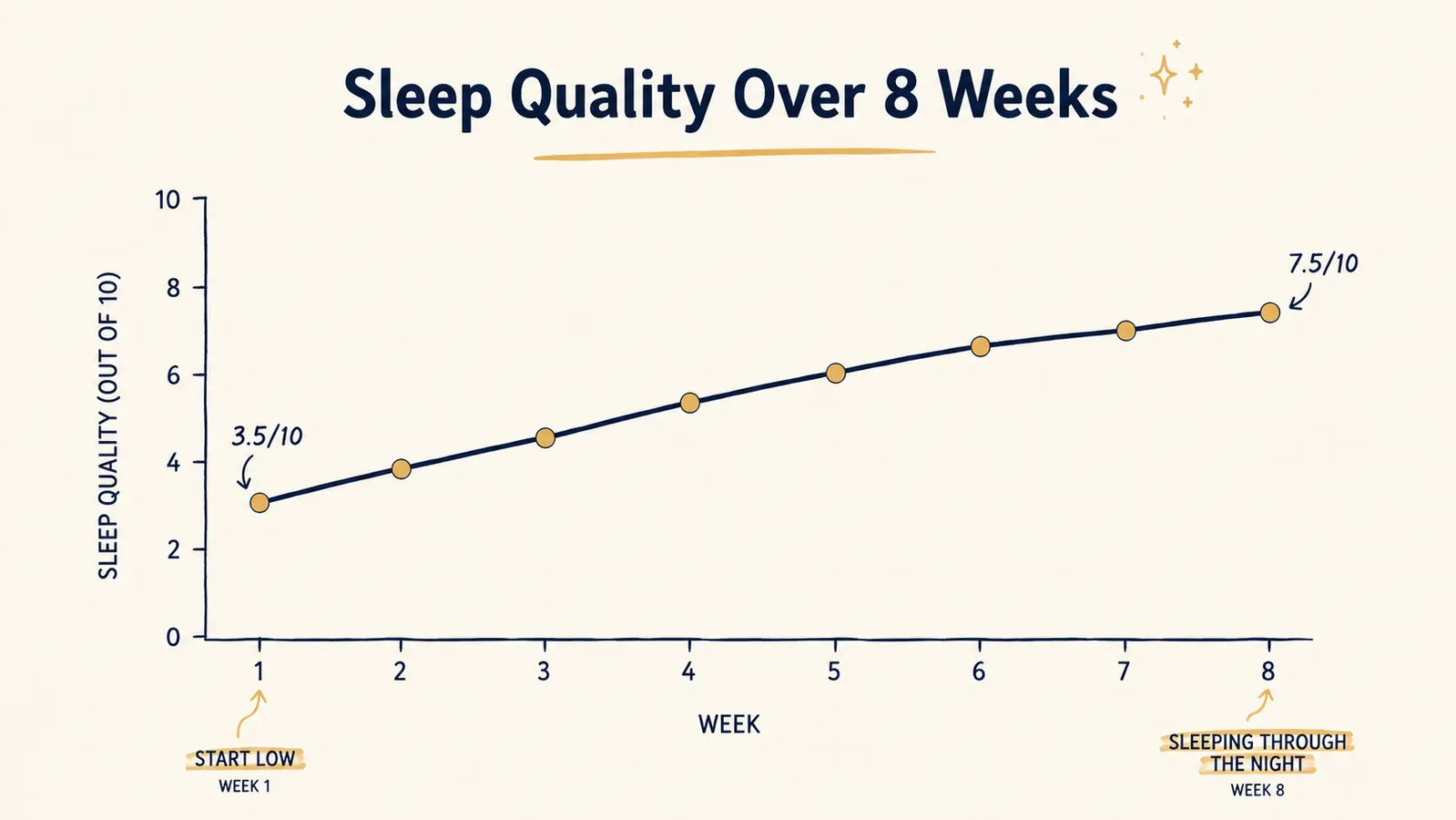
Taking it an hour to ninety minutes before you want to fall asleep gives it time to be absorbed and start doing its job. For me, that means taking it around 9pm if I want to be asleep by 10:30. I also noticed that the effect was cumulative. The first week I felt almost nothing. By weeks three and four, I was waking up less in the middle of the night. By month two, I was sleeping through most nights, which I had not done consistently in years. If you try this supplement for three days and decide it is not working, you have not given it enough time. It is not melatonin. It needs weeks to show what it can do.
What It Actually Did for My Sleep
I want to be careful here because this is a supplement and I am not a doctor. I cannot tell you that magnesium glycinate will fix your sleep. What I can tell you is what I experienced. Before I started, I was waking up almost every night between 2am and 3am and lying awake for 45 minutes to an hour. After about six weeks of consistent use, that pattern shifted. I still wake up occasionally, but it is less frequent and I fall back asleep much faster. I feel more rested when I get up at 6:30 to get ready for my grandsons.
The 4.6 rating and 75,000 reviews on Amazon do reflect something real. The most common thread in positive reviews is exactly what I experienced: not a dramatic sedation, but a quieting of the restless mind that used to keep people awake. Reviewers also frequently mention leg cramps reducing, which I noticed too. I had occasional nighttime leg cramps before, and they have become rare. Magnesium plays a role in muscle function, so that tracks.
The negative reviews, which you should also read, tend to fall into a few categories. Pill size is the most common complaint. GI upset when starting at full dose is second. And a smaller group of people simply did not notice any sleep benefit, which is honest. Supplements do not work the same for everyone. If you are genuinely magnesium deficient, which is more common than people realize, particularly in older adults who absorb fewer minerals from food, you may notice a real shift. If your levels are already fine, the effect may be minimal.
What the Bottle Does Not Tell You About Dose
The bottle says take two tablets daily. That is a starting point, not a prescription. Many people find one tablet at night is sufficient for sleep support. Some people, particularly larger individuals or those with higher magnesium needs, may do better at two. If you are currently taking any medications, especially anything that affects kidney function, blood pressure, or antibiotics, you should ask your doctor before adding magnesium. The label does mention this in small print, but it bears repeating more clearly: this is not a supplement to add haphazardly if you have a complex medication list.
There is also nothing on the label about the fact that magnesium can interact with certain thyroid medications if taken within a few hours of each other. I take a thyroid medication in the morning, so this did not affect me, but a friend who takes hers at night had to shift her timing because her doctor flagged the interaction. Again, the information exists, but you have to go looking for it. The label will not hand it to you.
What I Liked
- TRAACS chelated form is genuinely better absorbed than oxide or citrate, and that matters for how much magnesium actually reaches your cells
- 75,000 reviews provide a real signal about consistency, and the pattern of sleep improvement appears repeatedly across reviewers
- Gentler on the stomach than other forms of magnesium, provided you start at a lower dose and build up
- Cumulative benefit over weeks, not a one-night-only effect, which suggests it is supporting actual physiology rather than masking symptoms
- Also helps with nighttime leg cramps, a bonus I did not expect
- Reasonable per-tablet cost compared to specialty magnesium brands at health food stores
Where It Falls Short
- Tablets are large and solid, which is a genuine barrier for anyone who struggles to swallow pills
- Label terminology is confusing, calling it glycinate on the front and lysinate glycinate chelate on the back creates unnecessary questions
- GI adjustment is real if you jump straight to the full serving size, and that is not mentioned prominently
- Takes four to six weeks to show meaningful results, which requires patience most supplement shoppers do not expect to need
- Not suitable as a drop-in for people on certain medications without checking with a doctor first

Who This Is For
This supplement is a good fit if you are waking up in the middle of the night and cannot get back to sleep easily, if you have occasional nighttime leg cramps, or if you feel like your sleep is just not restful even when you get enough hours. It is also a reasonable choice if you have already tried melatonin and found it left you groggy or did not address the quality of your sleep, just the speed of falling asleep. If you want a deeper comparison of how these two supplements stack up, I wrote about that in my piece on magnesium glycinate vs melatonin for sleep. If you are patient enough to give it six weeks and willing to start at a lower dose to let your body adjust, this supplement is worth a real trial.
Who Should Skip It
Skip this supplement, or talk to your doctor first, if you have kidney disease or reduced kidney function. The kidneys are how the body clears excess magnesium, and impaired kidneys can allow magnesium to build up to levels that cause problems. Also skip it if you cannot swallow large tablets, because crushing or splitting these particular tablets may affect the chelation coating, and there are better-tolerated powder or liquid forms of magnesium glycinate available. If you have a complex medication list, particularly antibiotics, blood pressure medications, or thyroid medications taken in the evening, check before you add this. And if you need results quickly, this is not that. You need something that will work tonight. This is something you build toward over weeks. If you want to understand more about what long-term consistent use looks like, I wrote a separate piece on my six-month nightly use experience that covers what shifted and when.
Disclaimer: I am not a doctor or medical professional. Nothing in this review should be taken as medical advice. Always consult your healthcare provider before adding any supplement to your routine, especially if you have existing health conditions or take prescription medications.
Still waking up at 2am and staring at the ceiling? Magnesium glycinate was the one thing I had not tried that actually made a difference.
Doctor's Best High Absorption Magnesium Glycinate uses the chelated TRAACS form for better absorption. Start with one tablet, be patient, and give it six weeks. Check the current price on Amazon before it changes.
Amazon Check Today's Price on Amazon →